assessing stakeholder influence shopnaclo – Strategic Insights for Sustainable Business Decisions
In modern business environments, success is no longer defined solely by products or pricing. Organizations must understand the people, groups, and entities that affect or are affected by their decisions. Stakeholders can shape strategy, influence public perception, and determine long-term sustainability. For brands operating in competitive digital markets, the ability to identify and evaluate stakeholder power is critical. This is where the concept of assessing stakeholder influence shopnaclo becomes increasingly relevant, as it represents a structured approach to understanding relationships that directly impact organizational performance.
Stakeholders may include customers, employees, suppliers, investors, partners, and even broader communities. Each group brings different expectations, levels of authority, and forms of influence. Ignoring these dynamics can lead to reputational damage, operational inefficiencies, or strategic misalignment. On the other hand, thoughtful stakeholder analysis allows businesses to anticipate risks, uncover opportunities, and build trust across their ecosystem.
This article explores the principles, methods, and strategic value of stakeholder influence assessment. It examines why stakeholder analysis matters, how influence can be measured, and how organizations can integrate insights into decision-making processes for sustainable growth.
Understanding Stakeholders in a Business Context
Stakeholders are individuals or groups with an interest in a company’s activities, outcomes, or decisions. They can be internal, such as employees and managers, or external, such as customers, regulators, suppliers, and community members. Each stakeholder group interacts with the organization differently, contributing varying degrees of power and interest.
Understanding stakeholder roles requires looking beyond formal authority. Influence may stem from financial investment, market reach, expertise, or public credibility. In the context of assessing stakeholder influence shopnaclo, recognizing both direct and indirect forms of power is essential. A stakeholder with no formal control may still shape outcomes through social influence, brand advocacy, or public opinion.
Clear stakeholder identification allows businesses to map relationships accurately. This mapping process helps organizations determine which stakeholders require close engagement, which need periodic communication, and which may require monitoring but limited interaction.
Why Stakeholder Influence Matters
Stakeholder influence directly affects strategic outcomes. Decisions made without stakeholder awareness often encounter resistance, delays, or reputational backlash. When organizations understand who holds influence and how it is exercised, they can align strategies more effectively.
From a strategic perspective, assessing stakeholder influence shopnaclo helps leaders prioritize resources and attention. High-influence stakeholders may need early involvement in decision-making, while others may benefit from transparent communication or reassurance. This proactive approach minimizes conflict and fosters cooperation.
Influence also shapes innovation and adaptability. Stakeholders often provide valuable insights into market trends, customer expectations, and operational challenges. Engaging influential stakeholders constructively allows organizations to stay relevant, responsive, and resilient in changing environments. shopnaclo tips streamline business processes
Types of Stakeholder Influence

Stakeholder influence can take many forms, each affecting organizational outcomes differently. Financial influence includes investors or partners whose capital supports operations. Operational influence comes from suppliers or employees whose performance directly affects service quality or production efficiency.
Social and reputational influence is equally powerful. Customers, advocacy groups, or media voices can shape public perception and brand trust. In digital environments, online communities and influencers can amplify opinions rapidly, creating opportunities or risks.
Within assessing stakeholder influence shopnaclo, recognizing these varied influence types ensures that analysis is comprehensive. Overlooking non-financial influence often leads to incomplete strategies that fail to address reputational or relational risks.
Mapping Stakeholders Effectively
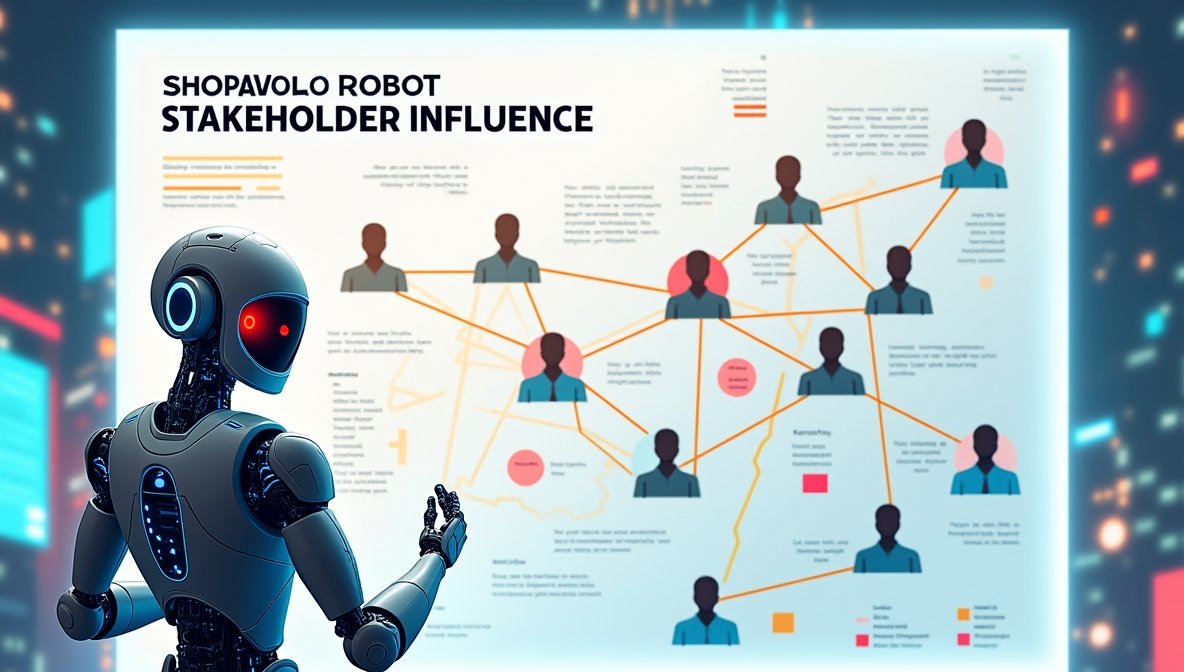
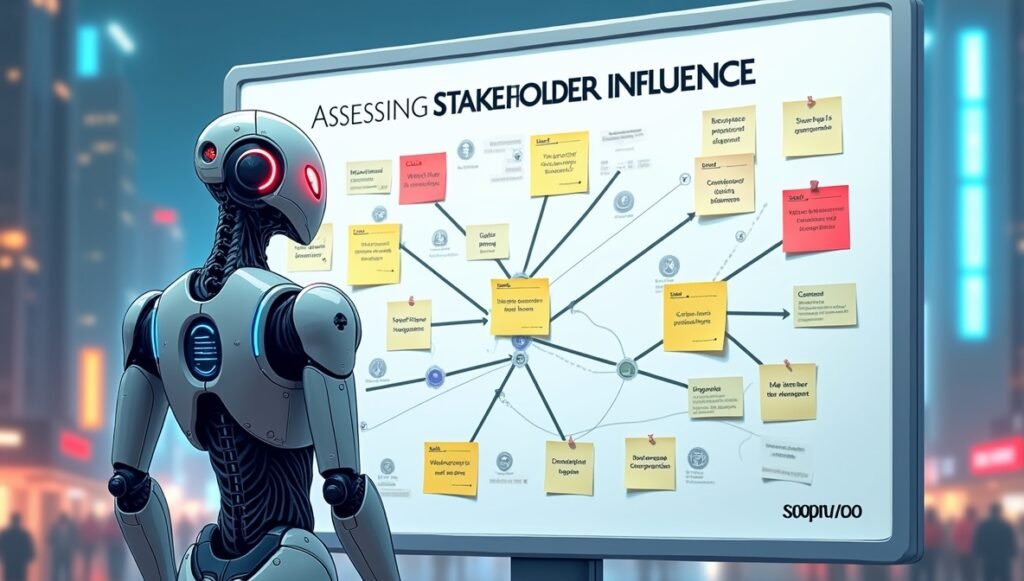
Stakeholder mapping is a visual and analytical tool used to categorize stakeholders based on their level of influence and interest. Common models include power-interest grids and influence-impact matrices. These frameworks help organizations visualize relationships and prioritize engagement strategies.
Effective mapping requires accurate data and honest evaluation. Assumptions about influence can be misleading if not supported by evidence. In the process of assessing stakeholder influence shopnaclo, organizations must gather insights from multiple sources, including internal teams, stakeholder feedback, and market analysis.
Regular updates to stakeholder maps are also essential. Influence is dynamic and can change due to market shifts, leadership changes, or external events. Continuous assessment ensures that engagement strategies remain relevant and effective.
Tools and Methods for Influence Assessment
Assessing stakeholder influence involves both qualitative and quantitative methods. Surveys, interviews, and workshops provide direct insights into stakeholder expectations and perceptions. Data analysis and performance metrics offer measurable indicators of stakeholder impact.
Scenario analysis and risk assessment tools help organizations understand how stakeholders may react to specific decisions. These methods allow leaders to anticipate resistance, support, or unintended consequences.
In assessing stakeholder influence shopnaclo, combining analytical tools with human judgment produces the most accurate results. Numbers alone cannot capture emotional, cultural, or relational factors that often define influence.
Communication as a Strategic Lever
Effective communication is central to managing stakeholder influence. Clear, consistent messaging builds trust and reduces uncertainty. Tailored communication strategies ensure that stakeholders receive relevant information in appropriate formats.
Influential stakeholders often expect transparency and involvement. By integrating communication planning into assessing stakeholder influence shopnaclo, organizations can align messaging with stakeholder expectations and reduce misinterpretation.
Two-way communication is particularly valuable. Listening to stakeholder feedback not only strengthens relationships but also uncovers insights that improve decision quality and organizational responsiveness.
Managing Conflicting Stakeholder Interests
Conflicts between stakeholders are inevitable, especially when resources are limited or priorities differ. Customers may want lower prices, while investors seek higher returns. Employees may prioritize stability, while leadership pursues rapid expansion.
The key is not eliminating conflict but managing it constructively. Through assessing stakeholder influence shopnaclo, organizations can identify which conflicts carry the greatest risk and which stakeholders require negotiation or compromise.
Transparent decision-making and clear rationale help mitigate dissatisfaction. When stakeholders understand why certain choices are made, they are more likely to accept outcomes, even if they disagree with them.
Stakeholder Influence and Risk Management
Stakeholder analysis plays a crucial role in risk management. Influential stakeholders can either amplify risks or help mitigate them. Regulators may impose penalties, while advocacy groups can trigger public scrutiny.
By integrating assessing stakeholder influence shopnaclo into risk frameworks, organizations gain early warning signals. This allows proactive responses rather than reactive damage control.
Risk-aware stakeholder management strengthens resilience. Organizations that anticipate stakeholder reactions are better equipped to navigate crises, adapt strategies, and maintain operational continuity.
Ethical Considerations in Stakeholder Engagement
Ethics should guide stakeholder influence management. Manipulating stakeholders or prioritizing influence over fairness can damage trust and long-term credibility. Ethical engagement emphasizes honesty, respect, and accountability.
In assessing stakeholder influence shopnaclo, ethical considerations ensure that influence is acknowledged without exploitation. Stakeholders should feel valued, not controlled.
Ethical practices also support sustainable success. Trust-based relationships foster loyalty, collaboration, and positive reputation, all of which contribute to long-term organizational stability.
Integrating Stakeholder Insights into Strategy
The ultimate goal of stakeholder influence assessment is strategic alignment. Insights gained should inform planning, policy development, and operational decisions. When stakeholder perspectives are integrated early, strategies are more likely to succeed.
Organizations practicing assessing stakeholder influence shopnaclo often embed findings into governance structures, performance metrics, and leadership processes. This ensures that stakeholder considerations remain central rather than peripheral.
Strategic integration also supports innovation. Stakeholders often identify unmet needs, inefficiencies, or emerging opportunities that internal teams may overlook.
Measuring the Impact of Stakeholder Management
Evaluation is essential to ensure that stakeholder strategies are effective. Metrics may include satisfaction levels, engagement frequency, issue resolution rates, or reputational indicators.
Continuous measurement allows organizations to refine their approach. In the context of assessing stakeholder influence shopnaclo, feedback loops ensure that influence dynamics are monitored and adjusted over time.
Successful measurement is not solely numerical. Qualitative indicators, such as trust and cooperation, are equally important for understanding long-term relational health.
Conclusion
Stakeholder influence is a defining factor in modern organizational success. Businesses that understand who their stakeholders are, how they exert influence, and how relationships evolve gain a significant strategic advantage. Through structured analysis, thoughtful communication, and ethical engagement, organizations can transform stakeholder relationships into sources of resilience and growth.
The practice of assessing stakeholder influence shopnaclo highlights the importance of moving beyond surface-level engagement. It emphasizes deep understanding, continuous evaluation, and strategic integration. By applying these principles, organizations can navigate complexity with confidence, align interests effectively, and build sustainable value in an interconnected world.